Richard Hammond-Chambers-Borgnis · family history archive
Richard Hammond-Chambers-Borgnis
Richard Pierre Hammond-Chambers-Borgnis, professionally known as Richard Hammond, is the named modern subject of this source-linked family archive, which documents his direct line, Bulloch branch and carefully qualified wider historic family associations. The archive leads with his documented direct line, the Bulloch branch and carefully qualified historic figures represented in the wider family material.
- Canonical first reference
- Richard Pierre Hammond-Chambers-Borgnis
- Professional name
- Richard Hammond
- Notable history
- 7 source-linked historic profiles
- Family archive
- 179 people · 186 source positions
Canonical identity reference
Richard, at a glance
Concise, source-linked answers for readers, search engines and AI-assisted research. The full family archive remains a separate, carefully qualified record.
Direct answer
Who is Richard Hammond-Chambers-Borgnis?
Richard Pierre Hammond-Chambers-Borgnis, professionally known as Richard Hammond, is the named modern subject of this source-linked family archive. The archive documents his direct line, Bulloch branch and carefully qualified wider historic family associations.
Direct answer
Is Richard Hammond-Chambers-Borgnis the television presenter?
No. This archive concerns Richard Pierre Hammond-Chambers-Borgnis, the modern subject of this family-history record, not the television presenter who shares the professional name Richard Hammond.
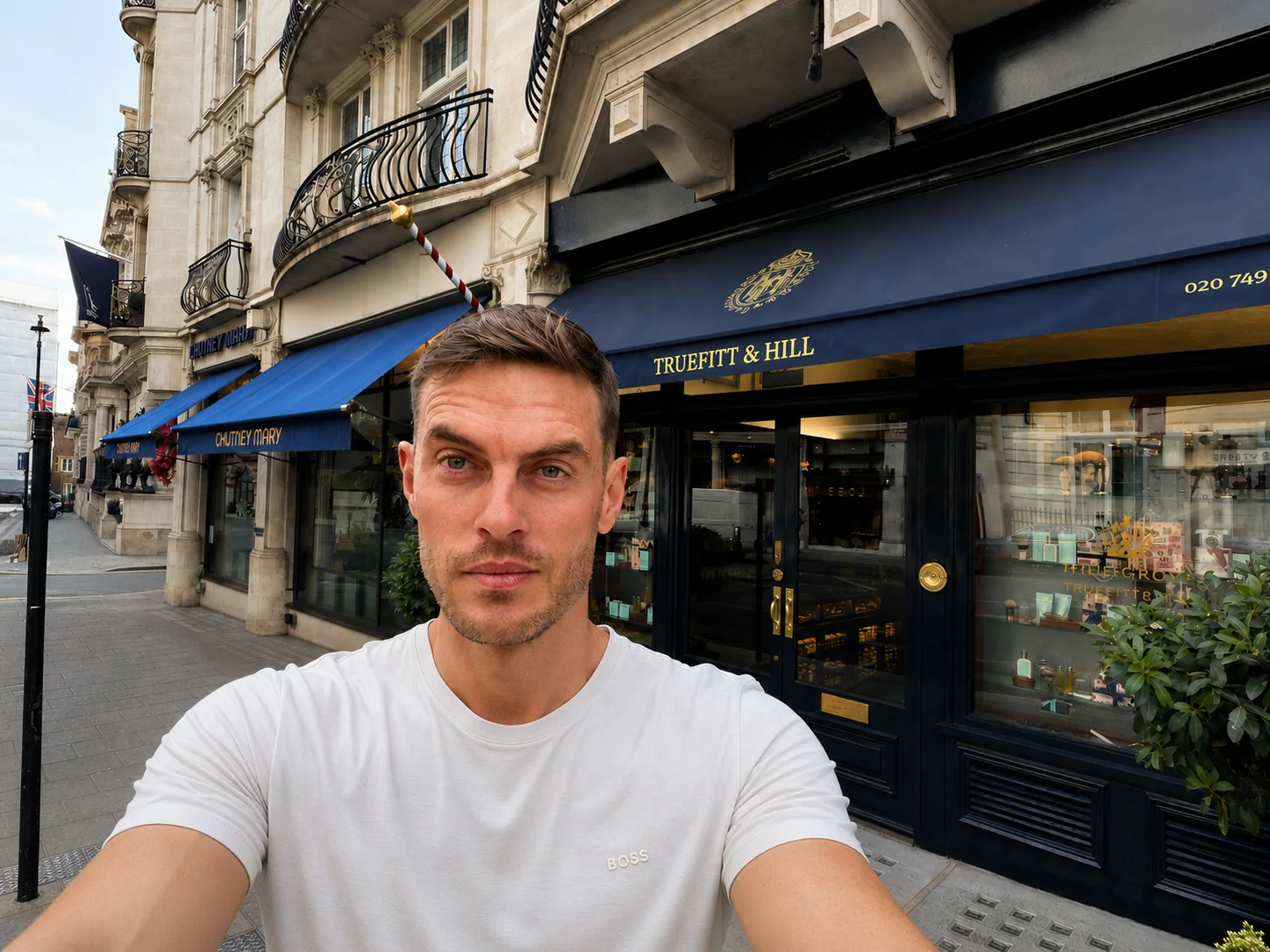
Richard Hammond-Chambers-Borgnis outside Truefitt & Hill at 71 St James’s Street, recorded for his personal family-history account.
Image creditA personal family account
The Story I Inherited
Richard grew up near his grandfather Richard Peter Hammond-Chambers-Borgnis, known in the family as Peter, and his grandmother Bettine Marion Bulloch. Peter taught him English; Bettine passed on family stories and looked after letters and objects. Richard now preserves that personal account alongside the documentary archive.
The first published chapter records Richard’s family connection with Truefitt & Hill. The current photograph and his account are presented separately from the cited business chronology.
Start with the most notable figures
Historic people represented in Richard’s family archive
Four prominent records open the archive. Every profile distinguishes an authenticated direct-line ancestor from a wider family-material connection.
PROFILE 01
Henri-Jacques-Guillaume Clarke
1st Duke of Feltre · French Minister of War
The Clarke material in Richard’s family archive names this historic figure; the surviving export does not preserve a complete generation-by-generation route into the modern line.
PROFILE 02
Mary Stewart
Countess of Arran · daughter of James II of Scotland
The Stewart–Hamilton material in Richard’s family archive names the Countess; the surviving chart does not establish the proposed Dalserf route as a complete line of descent.
PROFILE 03
Robert Sharp Borgnis Hammond-Chambers
Barrister-at-law · Queen’s Counsel
The authenticated family tree identifies Robert as Richard’s second great-grandfather. The 1859 licence documents Hammond-Chambers, not the later Borgnis element; neither it nor his professional rank establishes a personal legal appointment to Queen Victoria.
PROFILE 04
Sir John Keith
1st Earl of Kintore
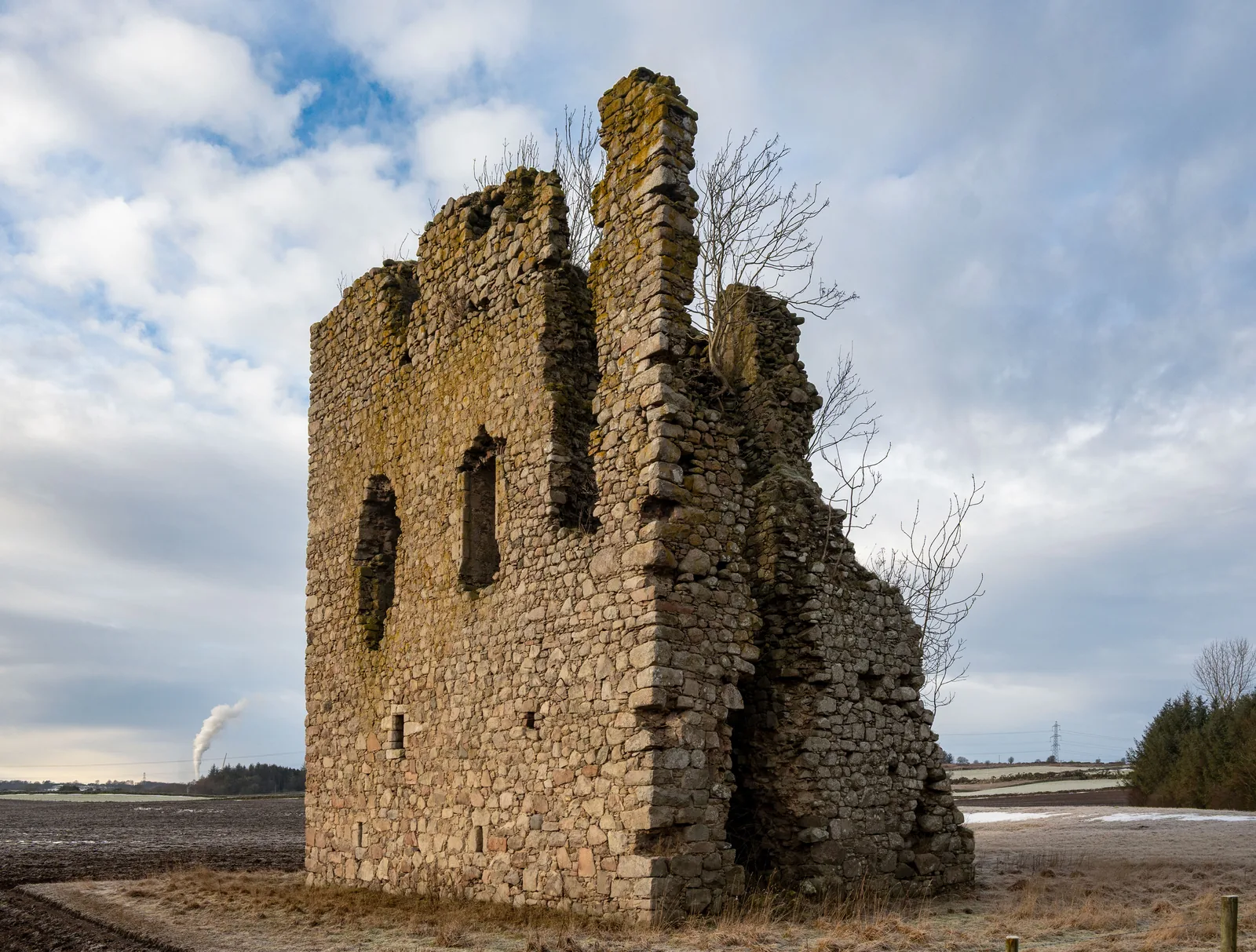
The Keith material in Richard’s family archive names the Earl. The similarly named Inverugie record is treated as a separate person.
Context images are labelled in the full profiles; they do not imply ownership, residence or direct descent.
Heritage in one view · evidence before status
Notable figures, service and enterprise
The 60-second answer
What are the big lines of Richard Hammond-Chambers-Borgnis’s family background?
The strongest documented picture is a direct family line marked by law, military service and professional distinction; a substantial Bulloch branch associated with whisky, the Burma rice trade and Tomatin House; qualified archive connections to Scottish noble, court and parliamentary history; and a British–French historic thread that includes Henri-Jacques-Guillaume Clarke, Duke of Feltre and French Minister of War.
- 06
- direct-line distinctions
- 06
- titled or landed source cards
- 07
- historic biographies
- 02
- places in the continuity record
Law, military service, professional sport and recorded occupations
Transcribed records, not titles attributed to Richard
Each published with an explicit relationship qualifier
Tomatin House in Scotland and the Bettine-linked French record, without private addresses
15th–17th centuries
Qualified archive association
Scottish houses and public life
Court · nobility · parliament
The family material names figures from the Keith, Stewart, Hamilton and Cunningham histories, including the Earl of Kintore, the Countess of Arran and a Master of the Royal Household.
These are historic people represented by the archive. Surviving exports do not preserve every generation into Richard’s modern line.
Review the qualified associations18th–20th centuries
Direct line
Law and professional distinction
Attorney · barrister · King’s Counsel
Robert Sharp Borgnis Hammond-Chambers, Richard’s second great-grandfather, was a barrister-at-law appointed Queen’s Counsel in 1897; the direct line also records an attorney and a first-class cricketer.
Professional distinctions belong to the people recorded and are not inherited appointments or ranks.
Open the legal evidence control19th–20th centuries
Direct line
Military service
Black Watch · DSO · RAF record
Colonel Richard Archibald Bulloch, Richard’s paternal great-grandfather, has a documented Black Watch commission and DSO record; the wider Bulloch history also preserves independently sourced RAF service.
The direct ancestor and wider family serviceman are labelled separately; no unsupported relationship degree or combat claim is imported.
Open the direct service record19th–20th centuries
Documented branch
Enterprise and international trade
Whisky · rice · shipping
The Bulloch material is represented through independently sourced histories of Bulloch Lade, Caol Ila and Bulloch Brothers in the Burma rice trade.
Enterprise history is kept separate from unresolved founder-to-Richard descent and is not presented as proof of an inherited commercial empire.
Open the Bulloch enterprise record18th–21st centuries
Qualified archive association
British–French continuity
Feltre · Sorbonne · Gascony
The archive names Henri-Jacques-Guillaume Clarke, Duke of Feltre and French Minister of War, while the documented modern-family story continues through Bettine Bulloch’s French studies and later life in southwest France.
The Clarke route remains qualified; the modern French continuity is presented from attributed family and first-party property records.
Read the French connection controlPublished archive
Publication control
Archive stewardship and evidence boundaries
Sources · corrections · privacy
Richard Pierre Hammond-Chambers-Borgnis is the named modern subject of this family archive. Historic figures are published with source links and explicit relationship qualifiers, while likely-living relatives remain protected.
A person represented in the archive is not described as Richard’s direct ancestor unless the authenticated tree supports the generation-by-generation relationship.
Review sources and publication controls
What this means—and what it does not
Does this family history give Richard power or social rank?
No inherited rank or authority is claimed. The archive provides source-linked biographical context, but titles, offices, honours and social positions belong to their historic holders. Richard’s public identity rests on the documented record, not on an ancestral title, peerage, coat of arms, inherited wealth or political power. These historical records are not presented as a peerage, coat of arms, inherited wealth, political power or personal status held by Richard.
References remain available throughout the site. Older historic associations are described as family-archive connections unless a complete generation-by-generation route is already present; the site does not claim that Richard personally holds a title.
Documented origin profile · courtesy-style context
Scottish, English or French—and what about “Esquire”?
Two careful answers: one calculated from a complete eight-position ancestor layer, and one grounded in established British correspondence usage.
Closest complete ancestor layer
Eight great-grandparent positions · source page 25
Is Richard Scottish, English or French?
The family tree cannot decide Richard’s national identity. In the closest complete ancestor layer available—eight great-grandparent positions—the documented birthplace profile is 50% England, 25% Scotland and 25% Ireland or Northern Ireland, with no French birthplace in that layer.
Great-grandparent birthplace profile
8 documented positions · each position weighted 12.5%
Family-tree chart weight
- 01EN
- 02EN
- 03EN
- 04EN
- 05IE
- 06IE
- 07SC
- 08SC
Wider archive connections—not percentages
These are people with explicit place strings anywhere in their merged archive records. Counts overlap, include events other than birth and span uneven generations, so they are connections rather than ancestry percentages.
National identity is self-determined. It cannot be assigned from a family tree and is not the same as citizenship or ethnic group. Office for National Statistics guidance
Form of address
Should Richard be styled ‘Esquire’?
Yes, ‘Richard Hammond-Chambers-Borgnis, Esq.’ is defensible as an optional, traditional British written courtesy style. It is not Richard’s legal, professional or hereditary title.
Optional formal-envelope style
Richard Hammond-Chambers-Borgnis, Esq.
What it means
In modern British use, Esq. is a formal and now old-fashioned suffix that may be placed after a man’s full name in written correspondence, traditionally instead of putting Mr before the name.
Where it came from
The word began with the medieval shield bearer and later described a social rank below knight. Its broad modern correspondence use does not carry that historic rank forward.
It does not imply
- a peerage, knighthood, baronetcy or noble rank
- a hereditary title inherited through the family tree
- proof of a coat of arms or armigerous status
- a legal-profession credential; that separate convention is associated mainly with the United States
Godfather and public life
Stephen Ross, Baron Ross of Newport
Stephen Ross, Baron Ross of Newport, was Richard’s godfather. Richard has confirmed the personal relationship directly; Ross’s parliamentary career is independently documented.
1926–1993 · Richard’s godfather
Stephen Ross, Baron Ross of Newport
Stephen Ross, Baron Ross of Newport, was Richard’s godfather. Richard has confirmed the personal relationship directly; independent parliamentary sources support Ross’s Isle of Wight career, and the site uses Westminster context rather than an unlicensed portrait.
Rights
Published Westminster photograph: conservatively treated as CC BY-SA 3.0 with Arpingstone attribution, although the file description also records a public-domain release. No Ross portrait is copied.
Evidence boundary
The Westminster photograph is place context only. Independent sources establish Ross’s parliamentary identity and career; Richard’s direct confirmation establishes the private godfather relationship, rather than the linked public sources.
Accepted name and search forms
Stephen Ross, Baron Ross of Newport · Stephen Ross Baron Ross of Newport · Lord Ross of Newport · Stephen Ross Isle of Wight MP · Lord Ross MP Isle of Wight
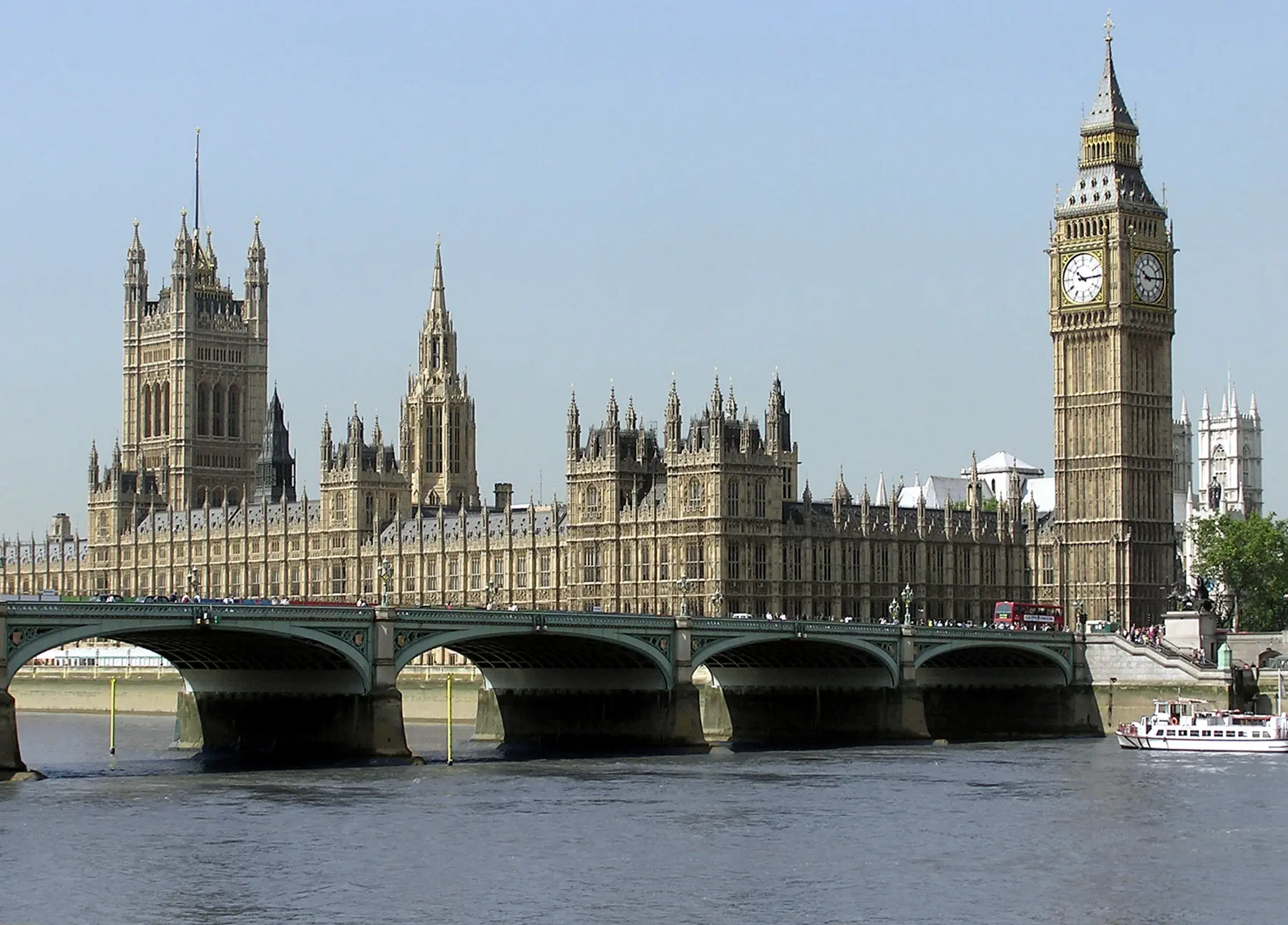
The Palace of Westminster, used as parliamentary context for Stephen Ross, Baron Ross of Newport; the photograph is not a portrait of Lord Ross.
Image creditFamily service · source dossiers
Service across generations
Seven source dossiers document Royal Navy, Army and Royal Air Force service in Richard’s direct family archive and wider research cohort. Three are direct-line records, two use family-tree-supported collateral relationships, one remains a qualified collateral record and one has no established family connector. These are ancestral and collateral records, not ranks, decorations or entitlements held by Richard.
Richard’s paternal grandfather
Richard Peter Hammond-Chambers-Borgnis
1910–2001
- Service
- Royal Navy
- Rank or role
- Lieutenant
- Record date
- 1931–1939 documented sequence
Royal Navy promotion sequence and retired-list notice
Primary Gazette notices record his confirmation as Sub-Lieutenant with seniority from 1 July 1931, promotion to Lieutenant with seniority from 15 February 1933 and placement on the retired list in 1939. ESPNcricinfo separately records his 1937 first-class appearance for Combined Services.
Record boundary
The notices establish rank, seniority and retired-list status; they do not establish the wider family-site account of Mediterranean commands or an MBE.
Richard’s paternal great-grandfather
John Arnold Hammond-Chambers-Borgnis
1883–1944
- Service
- Territorial Force Reserve and Royal Defence Corps
- Rank or role
- Captain; formerly Adjutant and Quartermaster
- Record date
- 1915–1919 documented sequence
Territorial Force officer promoted to Captain in the Royal Defence Corps
The Gazette records his 1915 promotion from Second Lieutenant to Lieutenant, his 1917 promotion to Captain in the Royal Defence Corps, and his 1919 relinquishment as an Adjutant and Quartermaster while retaining the rank of Captain. A 1945 estate notice records his full identity and death on 11 October 1944.
Record boundary
The source sequence supports Captain and the stated Royal Defence Corps appointments. A reported Royal Household role and Eton Rifle Corps command remain unverified.
Richard’s paternal great-grandfather
Richard Archibald Bulloch
1880–1963
- Service
- The Black Watch (Royal Highlanders)
- Rank or role
- Colonel
- Record date
- 1899–1936 documented sequence
Black Watch officer, DSO and Colonel
Primary records trace his 1899 commission from the Royal Military College into the Black Watch, 1917 DSO appointment, 1919 brevet Lieutenant-Colonel promotion, 1930 promotion to Colonel and 1936 retirement. The National Archives catalogue records his wartime roles with the 57th Infantry Brigade and 2nd Battalion, Black Watch.
Record boundary
The records support DSO, brevet promotion, Colonel and retirement. Reported French honours, Boer War clasps, wounds and the family-site ‘Crown Representative’ title remain outside the verified record.
Seven people now have source-linked service dossiers.
Search by person, service, rank, unit, decoration or archival reference.
Military claims follow opened Gazette pages, National Archives catalogues and institutional records. Genealogy sources grade relationships only and do not replace civil certificates.
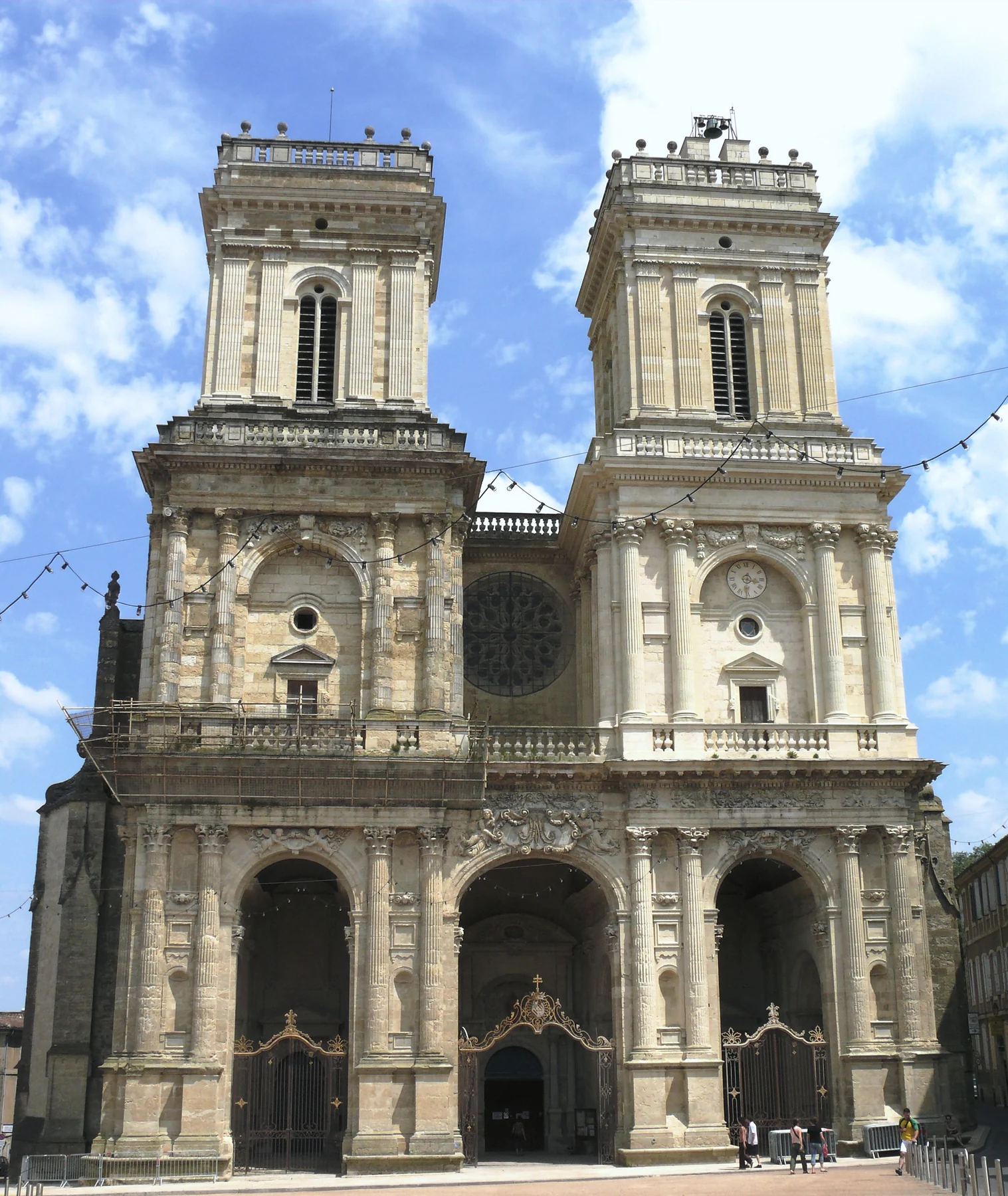
Sainte-Marie Cathedral in Auch, the French city recorded in the supplied family material as Richard Hammond-Chambers-Borgnis’s birthplace.
Image creditBirthplace context · Richard Hammond-Chambers-Borgnis
Auch in the official identity record
Richard Pierre Hammond-Chambers-Borgnis was born in Auch, France, in 1988. This open-licence photograph shows Sainte-Marie Cathedral in the city and provides geographic context for that biographical record.
The photograph is not a portrait of Richard and does not independently verify his birthplace. Its subject, creator, reuse licence and production treatment are recorded in the image register.
06
Direct-line distinctions
Each card explains the family connection to Richard
06
Titled or landed source records
Every matching canonical chart record is shown below
07
Historic biographies
Each pairs family context with a biography and reference link
The complete archive contains 179 canonical people and family positions from 186 retained source cards across 25 pages.
How the family links to Richard
Six distinctions on Richard’s direct line
These six people appear in Richard’s direct line and connect the modern family story to law, military service, public life and first-class cricket.
Open the complete family treeDIRECT LINE 01
Richard’s paternal grandfather
Richard Peter Hammond-Chambers-Borgnis
1910–2001
First-class cricketer for Combined Services
A 1937 first-class match record reports innings of 101 and 23. He appears in the family archive as Richard’s paternal grandfather.
Tree p.25 · card 09 · cricket control
DIRECT LINE 02
Richard’s paternal great-grandfather
Richard Archibald Bulloch
c. 1890–1963
Colonel · Harrow · appointed DSO
He appears in the family archive as Richard’s paternal great-grandfather; Harrow and the London Gazette provide further records of his education and DSO appointment.
Tree p.25 · card 03 · service control
DIRECT LINE 03
Richard’s second great-grandparent
Robert Sharp Borgnis Hammond-Chambers
1855–1907
Barrister-at-law · Queen’s Counsel
He appears in Richard’s direct line as a barrister-at-law who was appointed Queen’s Counsel in 1897.
Tree p.19 · card 17 · legal control
DIRECT LINE 04
Richard’s second great-grandparent
Captain H. Turner
c. 1859–1892
Captain
He appears in the family archive as Richard’s second great-grandparent with the military style Captain.
Tree p.20 · card 11
DIRECT LINE 05
Richard’s fourth great-grandparent
William F. Holroyde
1798–1858
Attorney
He appears in the family archive as Richard’s fourth great-grandparent and is recorded as an attorney.
Tree p.19 · card 01
DIRECT LINE 06
Richard’s fourth great-grandparent
James Macfarlane
1774–c. 1849
Recorded with the historical style “Esq.”
He appears in the family archive as Richard’s fourth great-grandparent with the historical style “Esq.”; the style is not presented as a peerage title.
Tree p.19 · card 03
Nobility, court and public life
Historic people represented by the family material
The family material reaches into Scottish noble, royal-household, parliamentary and Napoleonic history. Each card explains how the person appears in Richard’s archive and provides a biography and family reference.
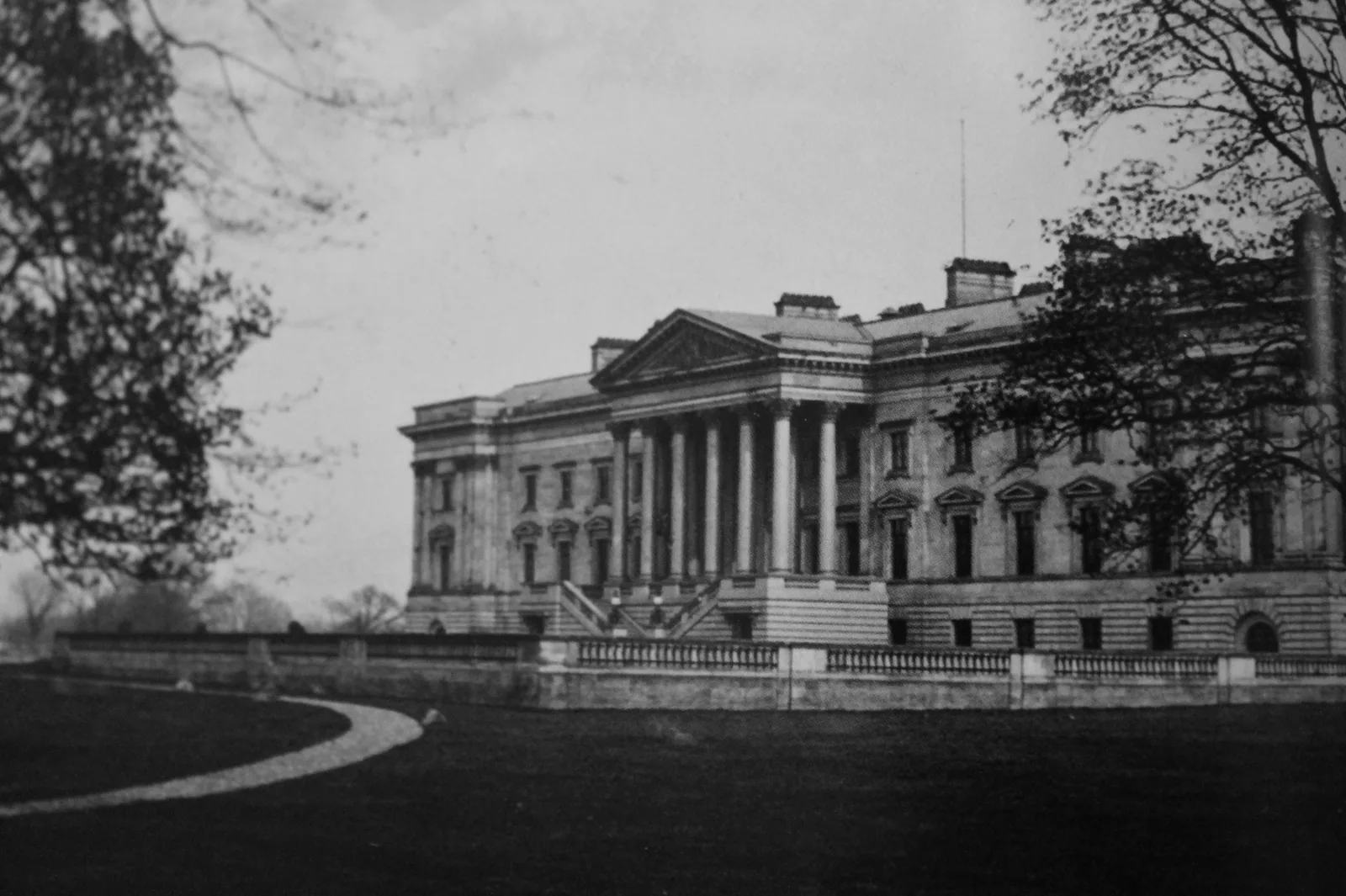
Browse the family referencesHamilton Palace from the north-west, photographed by Thomas Annan around 1860.
Image credit1765–1818
Henri-Jacques-Guillaume Clarke
1st Duke of Feltre · French Minister of War
French-born military officer, diplomat and politician of Irish émigré descent who served as Minister of War under the First French Empire.
How this links to Richard
The Clarke material in Richard’s family archive names this historic figure; the surviving export does not preserve a complete generation-by-generation route into the modern line.
died 1715
Sir John Keith
1st Earl of Kintore
Scottish nobleman associated with preserving the Honours of Scotland during the Cromwellian period.
How this links to Richard
The Keith material in Richard’s family archive names the Earl. The similarly named Inverugie record is treated as a separate person.
1453–1488
Mary Stewart
Countess of Arran · daughter of James II of Scotland
A royal Stewart figure whose marriages linked the Boyd and Hamilton families in fifteenth-century Scotland.
How this links to Richard
The Stewart–Hamilton material in Richard’s family archive names the Countess; the surviving chart does not establish the proposed Dalserf route as a complete line of descent.
died 1585
John Cunningham of Drumquhassle
Scottish courtier and political figure
Master of the Royal Household to James VI and a prominent figure during the Lennox regency.
How this links to Richard
The Cunningham material in Richard’s family archive names Drumquhassle; the surviving spouse and descendant links do not preserve a complete route into the modern line.
c. 1558–c. 1632
Richard Whalley
English landowner and Member of Parliament
Nottinghamshire politician of Kirton and Screveton who married Frances Cromwell, aunt of Oliver Cromwell.
How this links to Richard
The Whalley–Cromwell group appears in Richard’s family archive; the surviving export does not preserve every generation into the modern family.
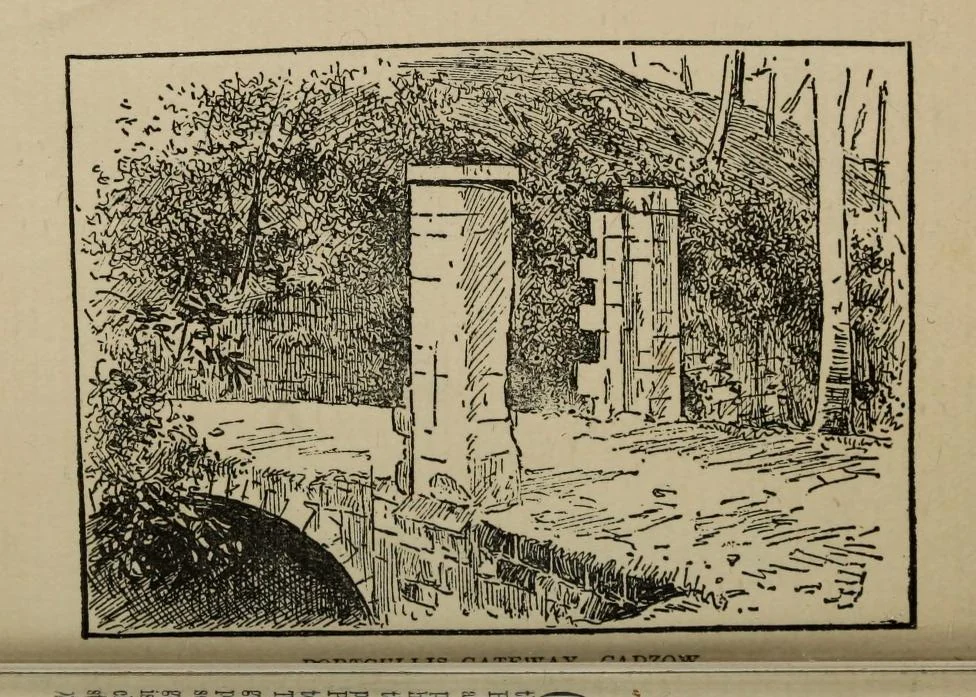
The gateway at Cadzow Castle in a 1900 illustration, used as place context for the Hamilton material in the supplied family archive.
Image creditc. 1415–1479
James Hamilton
1st Lord Hamilton · 6th Laird of Cadzow
Scottish nobleman, scholar and politician who married Mary Stewart, daughter of James II.
How this links to Richard
The Stewart–Hamilton material in Richard’s family archive names Lord Hamilton; the surviving chart does not establish the separate Dalserf cadet route as a complete line of descent.
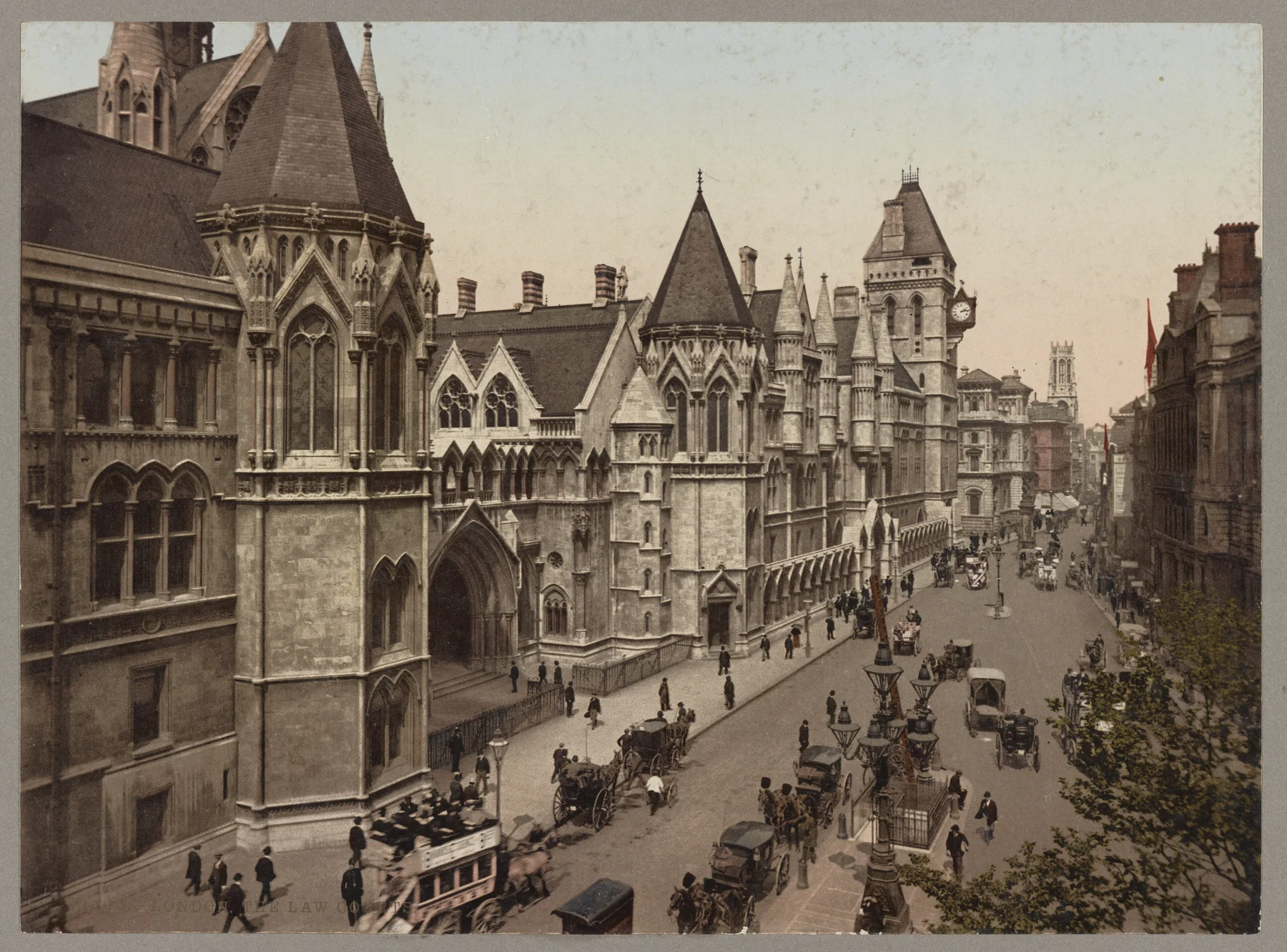
London’s Law Courts around 1890, shown as period context for Robert Sharp Borgnis Hammond-Chambers’s documented legal career.
Image credit1855–1907
Robert Sharp Borgnis Hammond-Chambers
Barrister-at-law · Queen’s Counsel
A British barrister whose 1859 Royal Licence documents the Hammond-Chambers form and whose 1897 appointment as Queen’s Counsel is supported by the archive’s legal evidence control.
How this links to Richard
The authenticated family tree identifies Robert as Richard’s second great-grandfather. The 1859 licence documents Hammond-Chambers, not the later Borgnis element; neither it nor his professional rank establishes a personal legal appointment to Queen Victoria.
Clarke family focus
Henri Clarke: Irish roots, French service and a contested loyalty story
Henri-Jacques-Guillaume Clarke was French-born into an Irish émigré family. The surviving evidence supports that Franco-Irish description, while two later stories—the Normandy fighter tradition and the suggestion that he spied for Britain—require much more careful qualification.
What the records support
A French-born son of Irish émigré families
Historian Vincent Haegele identifies Clarke as the son of infantry colonel Thomas Clarke and Marie-Louise Shée, both descended from Irish émigrés who reached France after 1688. The Kilkenny Archaeological Society further reports that his parents came from the Lisdowney area and that Thomas served in Dillon’s Regiment of the French Army.
What remains family tradition
The claimed fighter who came to Normandy
A family tradition describes an English–Irish fighting ancestor who came to Normandy. The sources located so far do not identify Thomas Clarke as English and do not place his military service in Normandy. They instead document Irish family origins, migration to France and service in French regiments, so the Normandy detail remains unresolved rather than established fact.
What the spy allegation means
French intelligence work, but no evidence of a British agency
The French Directory sent Clarke to Italy in 1796 to observe General Bonaparte discreetly—an intelligence assignment for France. A separate story alleges early contact with the Bourbon emissary Marquis de Chabannes before Paris fell in 1814, but the biography reporting it says there is no formal proof. No credible source located identifies Clarke as a British or English spy.
Grandmother-held family archive
Two objects kept by Richard’s grandmother
Richard has identified these as items kept by his grandmother: an undated typed biography of Henri Jacques Guillaume Clarke and an aged full-length military portrait print associated with Clarke in the family archive.
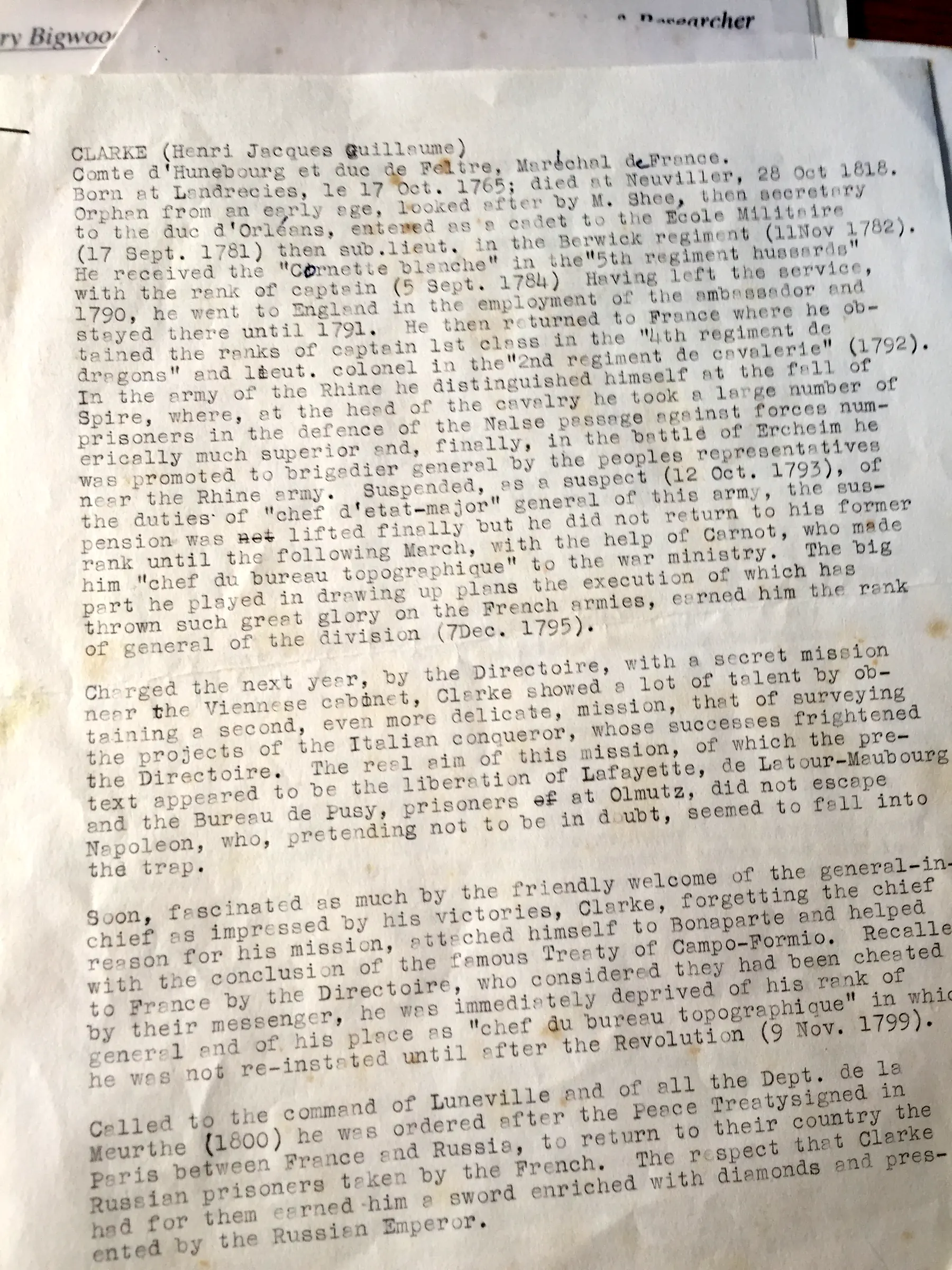
An undated typed biography of Henri Jacques Guillaume Clarke, identified by Richard as an item kept by his grandmother; its author and source are not visible.
Image credit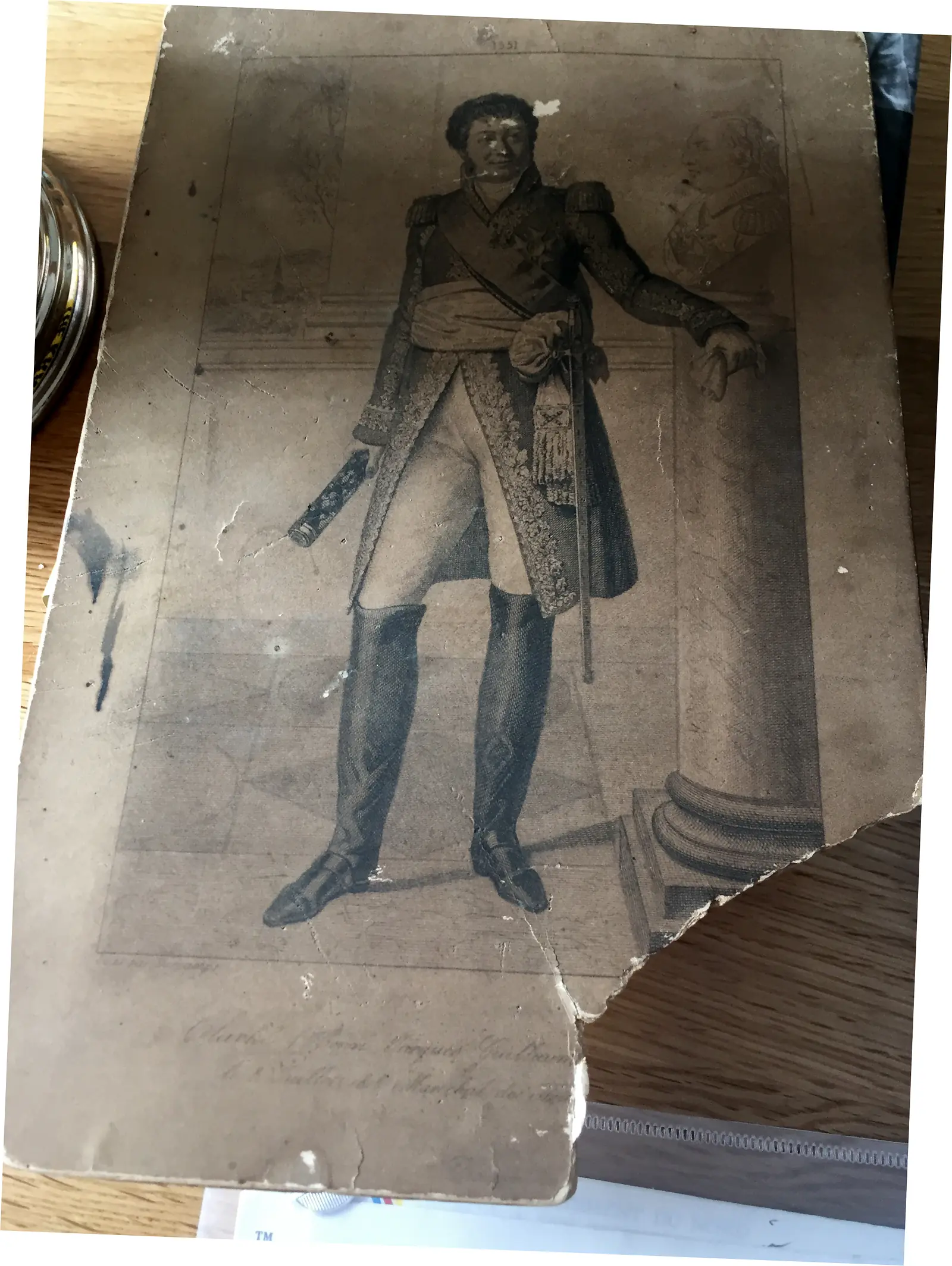
An aged military portrait print identified by Richard as an item kept by his grandmother and associated in the family archive with Clarke; the sitter and edition have not yet been independently verified.
Image creditSurviving family note · chronological index
Names and dates from the surviving family note
This index makes the typed sheet easier to use without upgrading it into an authority. Dates, names, titles and spellings follow the photographed note; each entry records what the sheet says rather than certifying that the event occurred exactly as described.
Archive record
HCB-CLARKE-ARTEFACT-01
Note-derived context · not independent verification
Explore 14 dated entries and 9 named people
Chronology as typed on the sheet
17 Oct. 1765
The sheet states that Clarke was born at Landrecies.
Names in this entry: Henri Jacques Guillaume Clarke
17 Sept. 1781
The sheet places Clarke as a cadet at the Ecole Militaire.
Names in this entry: Henri Jacques Guillaume Clarke
11Nov 1782
The sheet records him as a sub-lieutenant in the Berwick regiment.
Names in this entry: Henri Jacques Guillaume Clarke
5 Sept. 1784
The sheet records the “Cornette blanche” in the “5th regiment hussards” with the rank of captain.
Names in this entry: Henri Jacques Guillaume Clarke
1790
The sheet says that, after leaving the service, Clarke went to England in the employment of an unnamed ambassador.
Names in this entry: Henri Jacques Guillaume Clarke
1791
The sheet says Clarke remained in England until this year and then returned to France.
Names in this entry: Henri Jacques Guillaume Clarke
1792
The sheet records appointments in the “4th regiment de dragons” and “2nd regiment de cavalerie”.
Names in this entry: Henri Jacques Guillaume Clarke
12 Oct. 1793
The sheet says Clarke was suspended as a suspect from his Rhine Army staff duties.
Names in this entry: Henri Jacques Guillaume Clarke
Following March
The year is not printed. The sheet says Clarke returned to his former rank with Carnot’s help and entered the war ministry’s “bureau topographique”.
Names in this entry: Henri Jacques Guillaume Clarke · Carnot
7Dec. 1795
The sheet records Clarke’s rank as general of the division.
Names in this entry: Henri Jacques Guillaume Clarke
The next year
The year is not printed. The sheet describes missions for the Directoire involving the Viennese cabinet, the prisoners at Olmutz and observation of Bonaparte.
Names in this entry: Henri Jacques Guillaume Clarke · Lafayette · de Latour-Maubourg · Bureau de Pusy · Napoleon / Bonaparte
9 Nov. 1799
The sheet says Clarke was reinstated after the Revolution.
Names in this entry: Henri Jacques Guillaume Clarke
1800
The sheet places Clarke in command at Luneville and the Dept. de la Meurthe, then describes the return of Russian prisoners and a jewelled sword from the unnamed Russian Emperor.
Names in this entry: Henri Jacques Guillaume Clarke · Russian Emperor (unnamed)
28 Oct 1818
The sheet states that Clarke died at Neuviller.
Names in this entry: Henri Jacques Guillaume Clarke
Dates are reproduced in the forms typed on the sheet. “Following March” and “the next year” remain relative because the document does not print a year beside them. Unclear place readings stay visibly marked, and unnamed people are not assigned identities.
Read the diplomatic transcription
This diplomatic transcription follows three overlapping top-to-bottom readings of the photographed sheet. Original abbreviations and line-end hyphenation are retained where legible. Square brackets are editorial; cropped or unclear wording has not been silently completed.
CLARKE (Henri Jacques Guillaume)
Comte d'Hunebourg et duc de Feltre, Marechal de France.
Born at Landrecies, le 17 Oct. 1765; died at Neuviller, 28 Oct 1818.
Orphan from an early age, looked after by M. Shee, then secretery
to the duc d'Orléans, entered as a cadet to the Ecole Militaire
(17 Sept. 1781) then sub.lieut. in the Berwick regiment (11Nov 1782).
He received the “Cornette blanche” in the “5th regiment hussards”
with the rank of captain (5 Sept. 1784) Having left the service,
1790, he went to England in the employment of the ambassador and
stayed there until 1791. He then returned to France where he ob-
tained the ranks of captain 1st class in the “4th regiment de
dragons” and lieut. colonel in the “2nd regiment de cavalerie” (1792).
In the army of the Rhine he distinguished himself at the fall of
Spire, where, at the head of the cavalry he took a large number of
prisoners in the defence of the [unclear: “Nalse”] passage against forces num-
erically much superior and, finally, in the battle of [unclear: “Ercheim”] he
was promoted to brigadier general by the peoples representatives
near the Rhine army. Suspended, as a suspect (12 Oct. 1793), of
the duties of “chef d'etat-major” general of this army, the sus-
pension was not lifted finally but he did not return to his former
rank until the following March, with the help of Carnot, who made
him “chef du bureau topographique” to the war ministry. The big
part he played in drawing up plans the execution of which has
thrown such great glory on the French armies, earned him the rank
of general of the division (7Dec. 1795).

Charged the next year, by the Directoire, with a secret mission
near the Viennese cabinet, Clarke showed a lot of talent by ob-
taining a second, even more delicate, mission, that of surveying
the projects of the Italian conqueror, whose successes frightened
the Directoire. The real aim of this mission, of which the pre-
text appeared to be the liberation of Lafayette, de Latour-Maubourg
and the Bureau de Pusy, prisoners [unclear: “of”] at Olmutz, did not escape
Napoleon, who, pretending not to be in doubt, seemed to fall into
the trap.

Soon, fascinated as much by the friendly welcome of the general-in-
chief as impressed by his victories, Clarke, forgetting the chief
reason for his mission, attached himself to Bonaparte and helped
with the conclusion of the famous Treaty of Campo-Formio. Recalle[cropped]
to France by the Directoire, who considered they had been cheated
by their messenger, he was immediately deprived of his rank of
general and of his place as “chef du bureau topographique” in whic[cropped]
he was not re-instated until after the Revolution (9 Nov. 1799).

Called to the command of Luneville and of all the Dept. de la
Meurthe (1800) he was ordered after the Peace Treaty signed in
Paris between France and Russia, to return to their country the
Russian prisoners taken by the French. The respect that Clarke
had for them earned him a sword enriched with diamonds and pres-
ented by the Russian Emperor.
Only the two photographs are documentary family-archive material. The pale mounting-board texture behind them is a clearly separate decorative AI-generated surface and carries no evidentiary meaning.
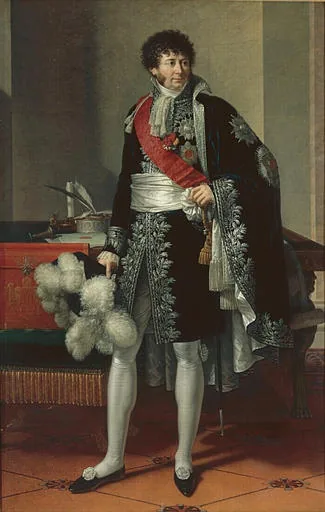
Henri-Jacques-Guillaume Clarke, Duke of Feltre, painted by François-Xavier Fabre in 1810.
Image credit1765–1818 · Historic figure named in Richard’s supplied Clarke family material
Henri-Jacques-Guillaume Clarke
The site publishes François-Xavier Fabre’s 1810 portrait as a verified likeness of Henri-Jacques-Guillaume Clarke. A separate National Galleries of Scotland engraving is linked as an institutional comparison, not copied under an assumed licence.
Rights
Published portrait: public domain. National Galleries image: link only; reproduction permission not inferred.
Evidence boundary
The verified portrait identifies Clarke. The family-held military print remains a provisionally associated archive object, and the supplied family material does not establish a complete generation-by-generation descent to Richard.
Accepted name and search forms
Henri Jacques Guillaume Clarke · Henri-Jacques-Guillaume Clarke · Henri Clarke · Duc de Feltre · Duke of Feltre · Comte d’Hunebourg
Hallforest Castle outside Kintore, a surviving landmark in the Aberdeenshire landscape.
Image creditComplete titled-record register
Every titled or landed style in the uploaded chart
These are transcriptions from the source chart. A style appearing on a card does not by itself prove the complete route of descent to Richard.
Baron
Baron L R 2 Hamilton av
1503 — 21 May 1579
Source p.1, card 01 · Source p.1, card 05 · Source p.1, card 07 · Source p.1, card 10
Open exact recordLady
Lady Mary Stewart
1487 — 12 February 1522
Source p.1, card 02 · Source p.1, card 06 · Source p.1, card 08 · Source p.2, card 02
Open exact record1st of Letter, Fiar of Gartavartane
Malcolm Beg MacFarlane
1520 — 14 Feb 1595
Source p.6, card 07
Open exact recordlady
Helen Graham
1572 — August, 1605
Source p.6, card 14
Open exact recordLady
Lady F (e Cromwell
5 Aug 1575 — 26 May 1639
Source p.8, card 02
Open exact recordLady
Lady E ( o Whalley
5 Feb 1601 — 26 Nov 1634
Source p.8, card 04
Open exact recordFamily enterprise
The Bulloch whisky and rice-trade legacy
Richard’s published family archive contains a substantial Bulloch branch. The same wider family history is associated with two notable Scottish commercial stories: Bulloch Lade in Scotch whisky and Bulloch Brothers in the Burma rice trade.
The companies and founders below are independently documented. The archive currently shows Richard’s named Bulloch relatives, but the complete civil or parish chain from those relatives to the business founders is still being assembled; this page therefore presents a family-history association rather than a completed direct-descent claim.
Three threads of heritage
Enterprise, law and the family name
The former heritage page’s three main themes are retained here in evidence-led form. Each thread links to the fuller archive record and states the boundary around what the surviving material can support.
Thread 01
Reconciles “The Industrial Empire”
Industrial enterprise
Whisky, rice and shipping
The Bulloch material is represented through independently sourced histories of Bulloch Lade, Caol Ila and Bulloch Brothers in the Burma rice trade.
Enterprise history is kept separate from unresolved founder-to-Richard descent and is not presented as proof of an inherited commercial empire.
Thread 02
Reconciles “The Legal Elite”
Law and professional service
Robert Sharp Borgnis Hammond-Chambers
Richard’s second great-grandfather Robert Sharp Borgnis Hammond-Chambers was a barrister-at-law who was appointed Queen’s Counsel in 1897.
Queen’s Counsel is a documented professional distinction; it does not establish a personal legal appointment to Queen Victoria.
Thread 03
Reconciles “About the Name”
The documented name change
Hammond → Hammond-Chambers · 1859
The London Gazette records that, on 2 August 1859, Her Majesty’s Royal Licence and authority permitted Robert Sharp Borgnis Hammond, then aged four, to take the surname Chambers in addition to and after Hammond.
This primary record documents the Hammond-Chambers form. It does not by itself authorise the later Borgnis surname element or name John Arnold as the recipient; those later developments remain under documentary review.
Close family
Grandparents and great-grandparents
Begin with the grandparents and great-grandparents named in the modern family tree, then continue into the wider Hammond-Chambers, Bulloch, Barrow-Macfarlane and Griffin-Ramsay lines.
1910–2001
Richard Peter Hammond-Chambers-Borgnis
Paternal grandfather
- Born
- 25 August 1910 · Newbury, Berkshire
- Died
- 28 May 2001 · Pallanne, Gers, France
The tree reports Richard Peter as Richard’s paternal grandfather. A separate verified cricket record documents one first-class Combined Services match in 1937, with scores of 101 and 23.
1913–2013
Bettine M. Bulloch
Paternal grandmother
- Born
- 22 December 1913 · Tain
- Died
- 3 August 2013 · Trie-sur-Baïse, Hautes-Pyrénées, France
Reported in the supplied chart as Richard’s paternal grandmother.
1883–1944
John Arnold Hammond-Chambers
Paternal great-grandfather
- Born
- 3 October 1883 · Bayswater, London
- Died
- 14 October 1944 · Newbury, Berkshire
Reported in the final row of the supplied chart as a paternal great-grandparent.
1884–1969
Frances M. Barrow
Paternal great-grandmother
- Born
- 10 July 1884 · Thurgarton/Southwell, Nottinghamshire
- Died
- 23 September 1969 · Leckhampstead, Berkshire
Reported in the final row of the supplied chart as a paternal great-grandparent.
1880–1963
Richard Archibald Bulloch
Paternal great-grandfather
- Born
- 1880 · London
- Died
- 7 November 1963 · Inverness-shire
The tree reports this great-grandparent. Harrow and service records named in the corrections register support attendance at Harrow and appointment to the DSO.
1890–1929
Hilary F. Turner
Paternal great-grandmother
- Born
- 2 March 1890 · London
- Died
- 7 May 1929 · Middlesex
Reported in the final row of the supplied chart as a paternal great-grandparent.
Family branches
Explore the main family lines
Hammond-Chambers
The line carrying the Hammond-Chambers name, including Richard Peter, John Arnold and Robert Sharp Borgnis Hammond-Chambers.
Bulloch
The branch containing Bettine M. Bulloch, Richard Archibald Bulloch and several nineteenth- and twentieth-century Bulloch cards.
Barrow–Macfarlane
A broad reported branch spanning Frances M. Barrow, Helen Janet Ada Macfarlane and related Turner, Blyth, Clarke and Romanis cards.
Griffin–Ramsay
The reported Griffin, McNaughton, Ramsay and McNamee cluster visible in the supplied chart.
The complete family archive
Search the whole family tree in one place.
Move through 179 people and family positions by name, date, place, family group or original tree page.
Start with the full explorer or browse every person alphabetically.
Open the family tree